
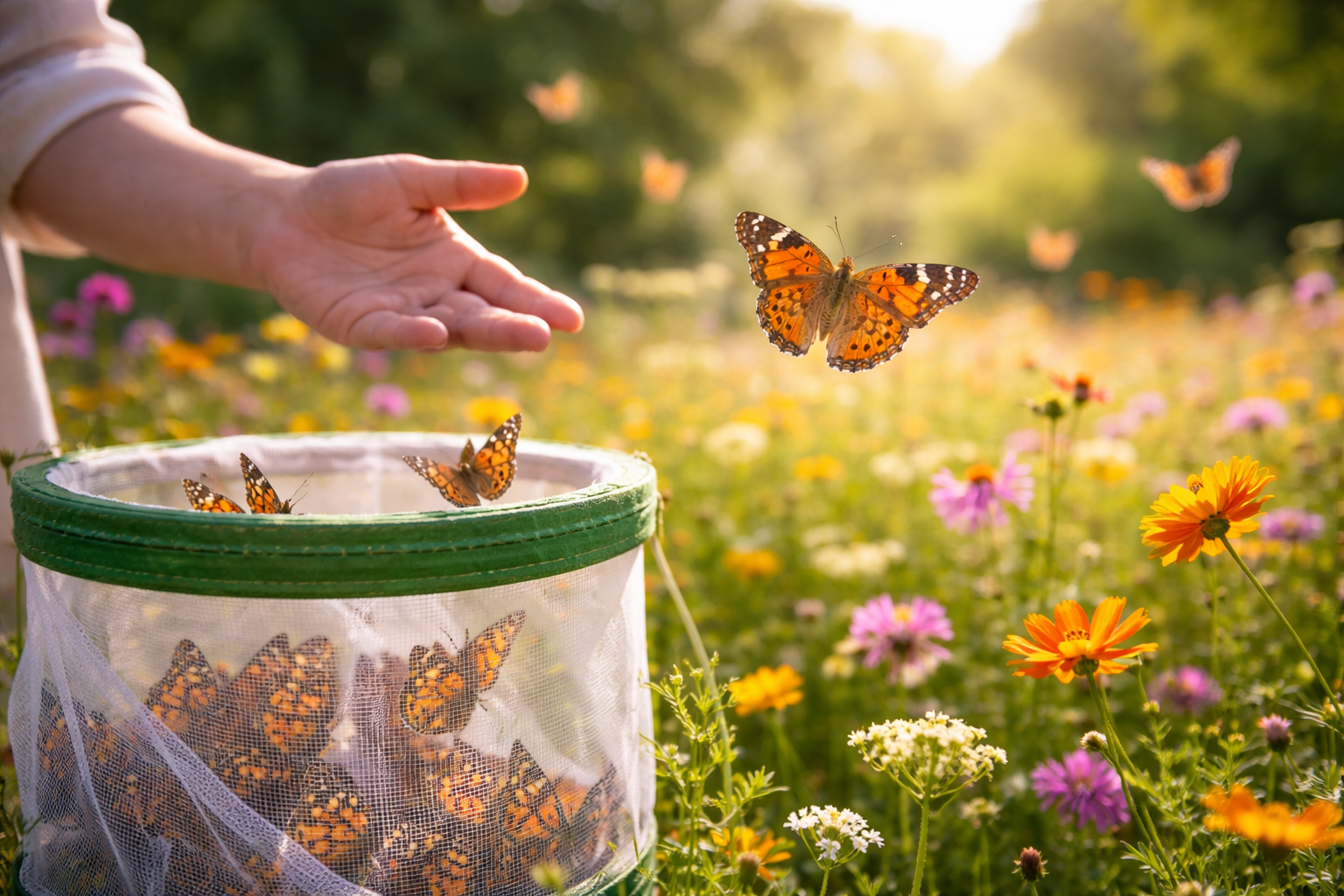
Butterfly releases are often remembered for their beauty, symbolism, and emotional impact, but their meaning can extend beyond the moment itself. When done thoughtfully, they can also spark deeper awareness of pollinators, native plants, and the everyday choices that help local ecosystems thrive.
For eco-conscious couples, families, schools, and memorial planners, a butterfly release can become more than a beautiful experience. It can be a gateway to conservation-minded action: planting the right flowers, supporting habitat restoration, learning about host plants, and paying attention to how butterflies fit into the wider web of life.
Why Butterflies Matter to Local Ecosystems
Butterflies are more than decorative visitors in a garden. They are part of a much larger ecological system that supports flowering plants, wildlife food webs, and biodiversity.
The U.S. Forest Service notes that pollinators help more than 80% of the world’s flowering plants reproduce, and butterflies are among the pollinating animals that contribute to that process. While butterflies may not be as efficient as bees in some settings, they still play an important role as they move pollen between blooms while feeding on nectar.
Butterflies also serve as ecological indicators. In simple terms, their presence often signals that a habitat is providing what many other species need too: flowering plants, seasonal diversity, shelter, and relatively healthy environmental conditions. When people become invested in butterflies, they often become invested in the broader health of native landscapes as well. That shift in attention can have real value for local conservation.
Butterfly Releases and Pollination Awareness
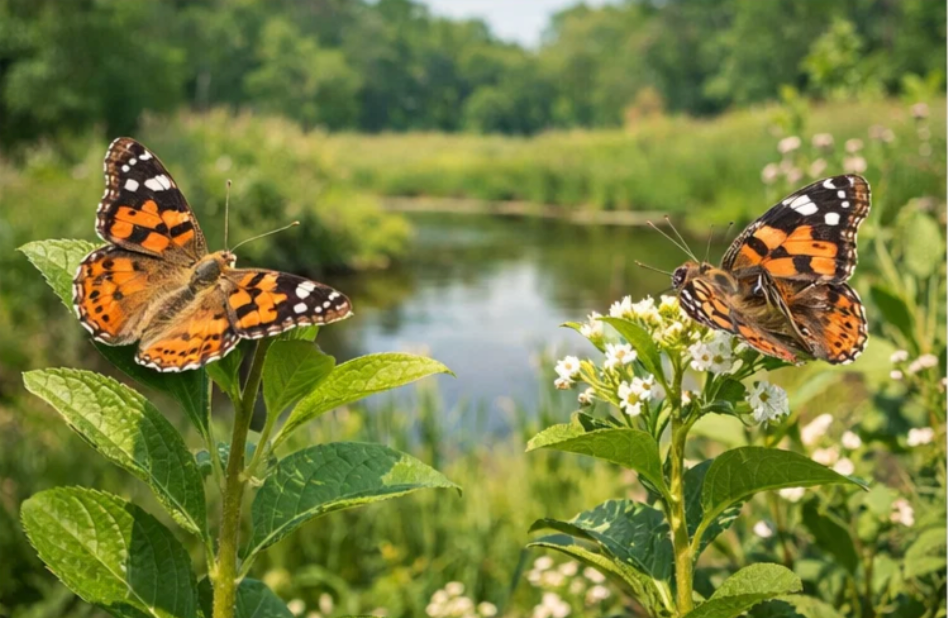
One butterfly release will not transform a local ecosystem overnight, but it can create something important: awareness that leads to action.
A meaningful butterfly release invites people to think about where butterflies go next, what they feed on, where they rest, and what their caterpillars need to survive. That curiosity matters. Many people first learn the difference between nectar plants and host plants only after participating in a release or raising butterflies at home.
Nectar Plants Support Adult Butterflies
Adult butterflies rely on nectar-rich flowers for energy. A landscape with continuous blooms across the season gives them better odds of finding food after release and during migration or dispersal. Common nectar sources include zinnias, coneflowers, asters, and blazing star as helpful choices for butterfly-friendly gardens.
Host Plants Support the Next Generation
This is where the ecological conversation becomes deeper. Nectar plants help adult butterflies feed, but host plants are what allow many butterfly species to reproduce. Caterpillars are often highly specific about what they can eat. Monarch caterpillars, for example, require milkweed. National Wildlife Federation emphasizes that native host plants are essential to supporting butterflies and moths across life stages, and that planting regionally appropriate species is one of the most effective ways to help.
That means the environmental impact of a butterfly release is strongest when it inspires follow-up habitat support, especially through native planting.
How Native Butterflies and Native Plants Work Together
Native plants and native pollinators evolved together. That relationship is one of the biggest reasons conservation groups consistently recommend using native species in pollinator gardens and restoration efforts.
The Xerces Society and National Wildlife Federation both point to native plants as a foundation for healthier pollinator habitat because they provide food and shelter that local insects recognize and can use effectively. Native plants also tend to support a wider range of ecological relationships, including butterflies, moths, specialist bees, and birds that rely on caterpillars as food.
Why This Matters After a Butterfly Release
A butterfly release becomes more environmentally meaningful when the surrounding landscape offers actual habitat value. Gardens, parks, and outdoor venues with nectar sources, sheltering vegetation, and nearby host plants are generally better aligned with butterfly needs than bare or heavily manicured spaces.
The Biodiversity Benefits of Butterfly-Friendly Actions
Butterfly conservation is rarely just about butterflies.
When people plant native flowering species, reduce pesticide use, and create more diverse habitats, they usually end up helping many other pollinators and beneficial insects, too. Pollinators are essential to the reproduction of over 85% of flowering plants and identifies them as keystone species in most terrestrial ecosystems. Those ecological benefits ripple outward into seed production, bird food sources, and healthier plant communities.
In that sense, the most positive environmental impact of a butterfly release may be the choices it encourages afterward:
Planting Native Nectar and Host Species
A single garden bed with regionally appropriate plants can provide food and breeding support not just for butterflies, but for a wider range of pollinators.
Supporting Local Food Webs
Caterpillars are a major food source for birds and other wildlife. Habitats that support butterflies often support species above and beyond them.
Increasing Public Engagement With Conservation
A release can turn abstract environmental values into a personal experience. People are more likely to plant, observe, and care for wildlife when they feel a direct connection to it.
Benefits of Raising and Releasing Butterflies Responsibly
For many clients, part of the appeal of Clearwater Butterfly is that the experience feels intentional and cared for. Responsibly raised butterflies, released under the right conditions, can help make the occasion feel aligned with respect for living creatures rather than just a visual spectacle.
Clearwater Butterfly positions its releases around ethical and eco-friendly practices, emphasizing healthy butterflies, responsible timing, and suitable environments. That matters to modern clients who want beauty, symbolism, and environmental thoughtfulness in the same experience.
It also helps distinguish a butterfly release from a purely decorative event trend. When paired with education and habitat support, it becomes part of a larger conservation-minded story.
Local Conservation Efforts Clients Can Support
One of the best ways to extend the impact of a butterfly release is to point guests or clients toward practical next steps. These do not need to be complicated.
Plant for Your Region
The Xerces Society offers regional pollinator-friendly plant lists, and the National Wildlife Federation provides host plant tools by ecoregion and ZIP code to help people choose native species that actually support local butterflies and moths.
Protect Monarch and Pollinator Habitat
Monarchs are a familiar example, but the larger lesson applies broadly: habitat needs to include both nectar plants and host plants, matched to local ecosystems.
Reduce Pesticide Pressure
Pollinator-friendly gardening generally works best when paired with reduced insecticide use and more habitat diversity, a point emphasized across conservation resources.
Create Small Habitat Patches
Even modest home landscapes, school gardens, and community spaces can contribute meaningful nectar and host resources when planted intentionally.
How to Monitor the Impact After a Butterfly Release
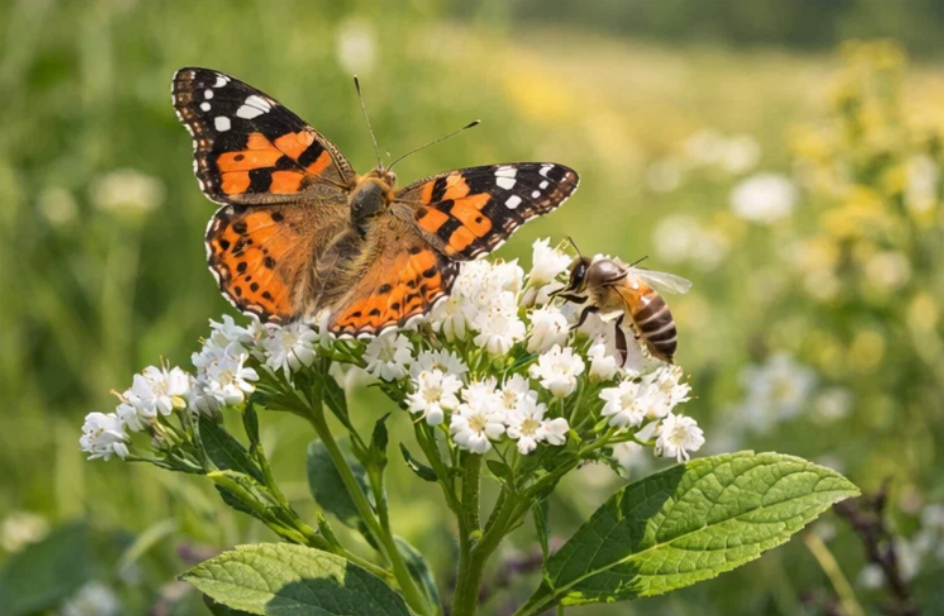
For clients who want to go a step further, monitoring can be part of the experience.
You do not need a formal scientific study to make a butterfly release more conservation-minded. A simple follow-up approach can build awareness and encourage long-term care.
Observe the Release Site
Notice what flowering plants are present, whether butterflies linger, and what sheltering vegetation is nearby.
Record Butterfly Sightings
Keep a simple log of butterflies seen in the days or weeks after planting a pollinator garden or improving habitat nearby.
Track Bloom Times
Butterflies need nectar across the season, not just during one month. Monitoring which plants bloom in spring, summer, and fall can reveal habitat gaps.
Expand Over Time
Many families and couples choose to add a small butterfly garden after their event. That can become a living reminder of the occasion while also supporting local pollinators.
Best Practices for an Eco-Conscious Butterfly Release
A beautiful release is only part of the goal. A responsible release is what gives it lasting value.
Clearwater Butterfly recommends paying attention to weather, temperature, and timing, since butterflies need warm enough conditions to become active and fly properly. Painted Ladies are especially sensitive to cold and should be released only when conditions are warm enough for safe flight.
Helpful principles include:
- Choose a release site with open space and nearby plant life.
- Release butterflies in suitable weather.
- Avoid heavy rain and poor conditions.
- Time the release carefully so butterflies can settle safely.
- Pair the event with native planting or pollinator-friendly education afterward.
For clients planning a special event, Clearwater Butterfly offers wedding butterfly release and memorial butterfly release packages that can fit naturally into a celebration that is both meaningful and environmentally thoughtful.
A Beautiful Moment With a Deeper Purpose
Butterfly releases will always be cherished for their symbolism: beauty, transformation, remembrance, and new beginnings. But for many clients today, symbolism alone is not enough. They also want their choices to reflect care for the natural world.
That is where a thoughtful butterfly release stands apart. When responsibly planned and connected to native plants, habitat awareness, and pollinator education, it becomes more than a fleeting visual moment. It becomes part of a larger story about stewardship, biodiversity, and the small actions that help local ecosystems stay vibrant.
At Clearwater Butterfly, that connection between celebration and stewardship matters. Butterfly releases are most meaningful when paired with responsible planning, proper release conditions, and a commitment to supporting the habitats butterflies depend on long after the event is over. Clearwater’s own guidance emphasizes ethical handling, appropriate weather, and responsible release practices, helping clients create an experience that is both memorable and environmentally thoughtful.