
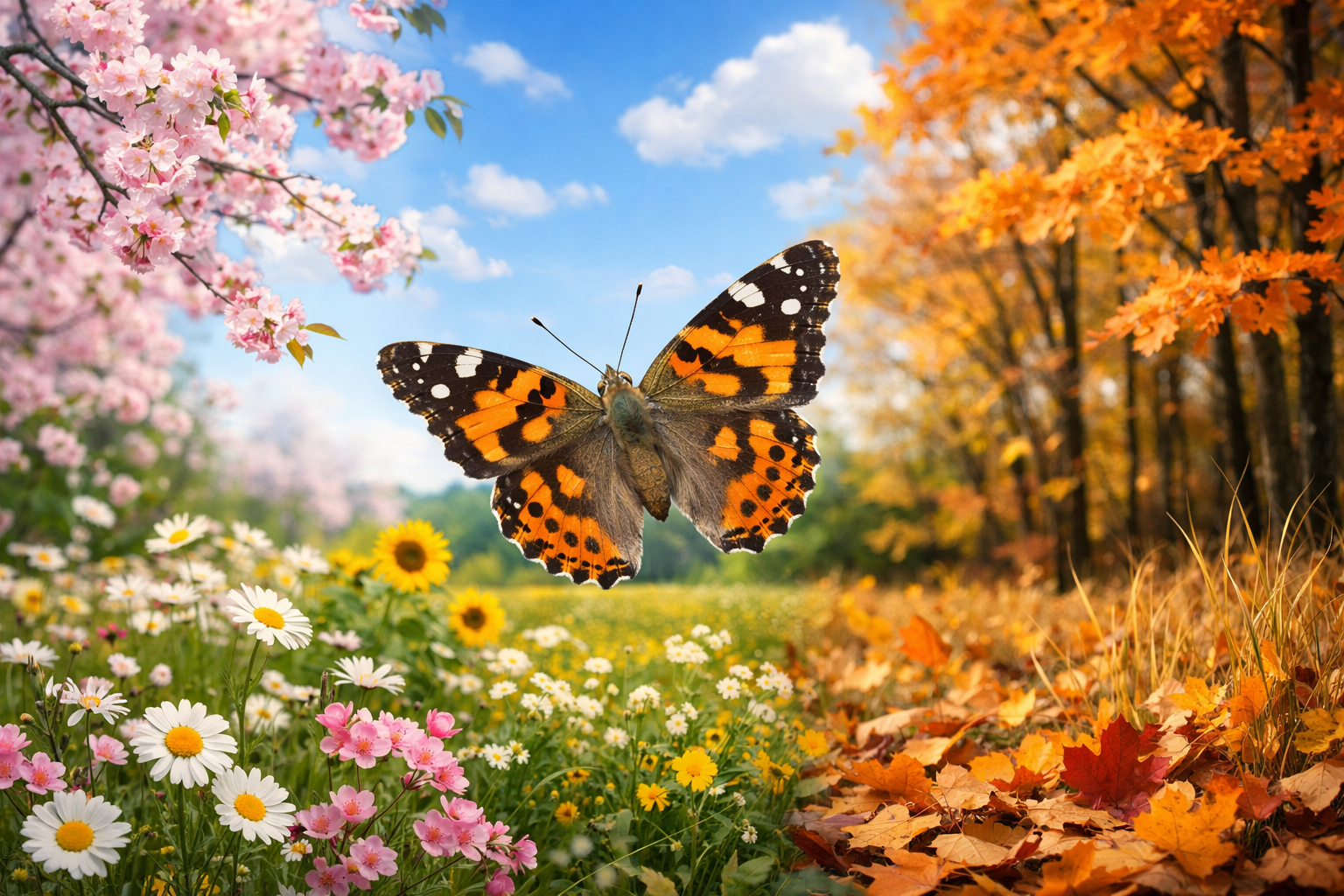
A butterfly release can create a breathtaking moment at a wedding, memorial, or celebration, but timing matters more than many people realize. While the symbolism stays the same year-round, butterflies respond very differently to spring, summer, and fall conditions. Temperature, sunlight, local climate zones, and the natural insect life cycle all play a role in how successful a release will be.
That is why seasonal planning is one of the smartest ways to create both a beautiful event and a butterfly-friendly experience. By understanding how each season behaves, you can choose the right release strategy and avoid disappointing weather-related surprises.
Why Seasonality Matters for Butterfly Releases
Butterflies are cold-blooded insects, which means their activity level depends heavily on external warmth. In general, they perform best in warm, dry, calm conditions; around 70 degrees is ideal for a release, with Painted Ladies needing at least 60 degrees and Monarchs at least 55 degrees to fly well. Rain, cold, and late-evening releases can all reduce activity and impact survival. Because of this, each season requires a different planning mindset.
Spring Butterfly Releases: Beautiful but Weather-Sensitive
Spring is often associated with renewal, making it a natural fit for butterfly releases. Flowers are emerging, landscapes feel fresh, and many couples and families love the symbolism of new beginnings.
Spring Best Practices
Spring weather can be unpredictable, especially in regions with cool mornings, wind, or sudden rain. The biggest concern is temperature. If your event falls early in the season, schedule the release for the warmest part of the day and monitor the forecast closely. It also helps to consider guidance for butterfly releases during the colder seasons, so you can build in a backup plan.
In cooler climate zones, late spring is usually more reliable than early spring.
Summer Butterfly Releases: Peak Conditions for Activity
Summer is typically the easiest season for a butterfly release. Warmer temperatures, longer daylight hours, and stronger butterfly activity all work in your favor.
Why Summer Often Works Best
In most regions, summer offers the most dependable release window. Butterflies are more active in heat, and even very warm temperatures can still support vibrant flight behavior. That said, planning still matters. Releases should avoid heavy rain and should ideally happen before sunset, so butterflies have time to orient and settle safely.
Fall Butterfly Releases: Magical, but More Regional
Fall releases can be incredibly memorable. The golden light, rich color palettes, and crisp atmosphere create a unique setting that many clients love.
How to Adapt for Autumn
Fall success depends heavily on your region. In warmer southern or coastal zones, autumn may still offer excellent release conditions. In cooler inland or northern areas, however, temperatures can drop quickly, especially in the late afternoon. That makes timing essential. Early afternoon releases often work better than evening ones.
Planning for Off-Peak Seasons
If you are hosting an event outside peak warm-weather months, flexibility is key. Watch local forecasts, choose the warmest available release window, and have an alternative display option ready if needed. In less-than-ideal weather, butterflies may be better enjoyed as part of an indoor presentation until conditions improve.
Every Season Brings a Different Kind of Magic
Seasonal strategy is not just about aesthetics. It is about matching butterfly behavior to real-world conditions so the release feels effortless, natural, and memorable.
A well-timed butterfly release is more than a beautiful photo moment. It is a carefully planned experience shaped by climate, season, and respect for the butterflies themselves. When you understand how spring, summer, and fall differ, you can make better decisions, plan with confidence, and create a release that feels as meaningful as it looks.