
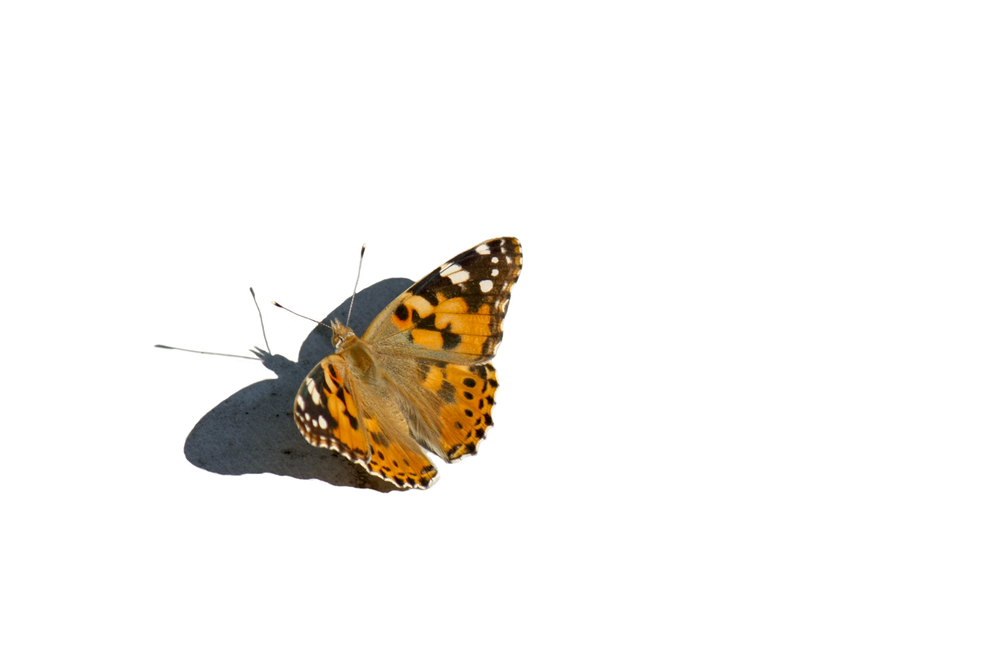
When you think of hibernation, bears and squirrels might come to mind. But did you know butterflies also undergo a form of hibernation to survive the cold months? For nature enthusiasts, environmentalists, and science lovers, the science behind butterfly hibernation is as fascinating as it is vital for understanding these delicate creatures.
Understanding Butterfly Hibernation
Butterfly hibernation isn’t true hibernation like that seen in mammals, but it’s a similar process known as diapause. Diapause, is a survival strategy used by butterflies to withstand winter conditions. During this phase, butterflies enter a state of dormancy to withstand the cold. Unlike mammals, insects like butterflies go into a dormant state that slows down their metabolism, allowing them to survive without food or active movement for extended periods. Let’s explore the physiological changes they undergo and the role of metabolism in this remarkable survival strategy.
The Physiology of Hibernation
Before entering diapause, butterflies undergo several physical changes. Their bodies produce antifreeze proteins to prevent ice crystallization within their cells. Additionally, their metabolic processes adjust to minimize energy expenditure. These chemicals lower the freezing point of their bodily fluids, preventing ice formation within their tissues. These changes help them endure the cold without sustaining damage.
Preparing for Hibernation
Butterflies prepare for hibernation by finding safe, sheltered spots such as tree bark, leaf litter, or even human-made structures like sheds. These locations provide protection from predators and harsh weather. Once settled, they enter a state of dormancy, awaiting the return of warmer temperatures.
The Role of Metabolism
One of the most crucial aspects of butterfly hibernation is the reduction of their metabolic rate. This means they slow down their bodily functions to conserve energy. By lowering their metabolism, butterflies can survive on stored energy reserves without needing to eat.
Significance of Energy Conservation
Energy conservation is crucial for butterflies during hibernation. Without the ability to feed, they rely entirely on the energy stored in their bodies. Efficiently managing this energy is a matter of survival, ensuring they can wake up and continue their life cycle when spring arrives.
Environmental Triggers for Hibernation
Butterflies are highly attuned to environmental cues, such as temperature fluctuations and changes in day length. Temperature and day length are primary triggers for butterfly hibernation. As days get shorter and temperatures drop, butterflies sense these changes and prepare for diapause. This innate ability to detect environmental cues ensures they enter dormancy at the right time.
Sensing and Responding to Triggers
Butterflies have specialized sensors that detect shifts in temperature and light. These sensors send signals to their brains, initiating the hibernation process. This remarkable adaptation allows them to respond precisely to changing seasons.
The Shipping and Freezing Process
Interestingly, the shipping and freezing process used by companies like Clear Water Butterfly aligns with the natural hibernation cycle of butterflies. When butterflies are shipped, they are kept cool to mimic the conditions of winter diapause, ensuring they remain calm and dormant during transport.
Impact of Freezing on the Hibernation Cycle
Freezing butterflies during shipping ensures they stay dormant, much like their natural hibernation process. Upon arrival, they can be gradually warmed to awaken them from their dormant state. This careful handling ensures butterflies are ready for release without disrupting their natural cycle.
Understanding the science behind butterfly hibernation reveals the incredible adaptations these insects possess to survive winter. From metabolic changes to environmental triggers, butterflies demonstrate a remarkable ability to endure the cold months.
For those interested in learning more about butterfly hibernation or participating in butterfly releases, consider exploring resources from organizations like Clear Water Butterfly. By understanding and supporting these processes, we can contribute to the preservation and appreciation of these beautiful creatures.